

Instructor
info@me2ucenterofexcellence.co.za
How to Cook: Fundamentals for Home Chefs
Master the essentials of home cooking in this beginner-friendly course designed to build confidence, speed, and flavor. You’ll learn knife ...
Show more
Course details
Lectures
9
Assignments
2
Quizzes
2
Basic info
- Title: How to Cook — Kitchen Basics to Confident Meals
- Level: Beginner; no prior experience required
- Duration and pace: 4 weeks, 2–4 hours per week; self-paced with optional live Q&A
- Format: Step-by-step video lessons, kitchen demos, downloadable recipe cards, quizzes, and practice assignments
- Outcomes: Knife safety, mise en place, core methods (saute, roast, boil, steam), seasoning and tasting, doneness cues, simple sauces, eggs and grains, vegetables and proteins, meal planning, and food safety
Course requirements
- Access to a home kitchen with a stovetop (and ideally an oven) and refrigeration
- Basic tools: chef's knife, cutting board, saucepan, skillet, baking sheet, measuring cups and spoons
- Ability to purchase weekly ingredients (shopping lists provided in advance; common pantry staples used)
- Internet connection to stream videos and download materials
- Willingness to practice techniques between lessons and taste as you go
Intended audience
- Absolute beginners who want to cook everyday meals with confidence
- Students and busy professionals seeking quick, reliable techniques to save time and money
- Home cooks looking to solidify fundamentals and avoid common mistakes
- Parents or guardians teaching teens essential kitchen skills
- Health-conscious eaters who want more control over ingredients and portions
Popular courses
- Description
- Curriculum
- FAQ
- Reviews
- Grade
How to Cook: A Practical Beginner’s Course
Build confidence in the kitchen with a step-by-step path from basic safety and knife skills to flavorful, balanced meals. This course focuses on essential techniques, smart planning, and repeatable methods so you can cook tasty food any day of the week—without complicated tools or long recipes.
Who This Is For
- Beginners who want reliable, repeatable results.
- Busy people seeking fast, nutritious meals.
- Anyone looking to improve flavor, safety, and efficiency.
Prerequisites & Tools
- Motivation to practice and taste as you go.
- Chef’s knife, paring knife, cutting board, and peeler.
- 12-inch skillet, medium pot, sheet pan, and baking dish.
- Measuring cups/spoons, digital thermometer, and tongs.
- Pantry basics: salt, pepper, cooking oil, vinegar, garlic, onions.
Learning Outcomes
- Apply kitchen safety, sanitation, and knife handling.
- Control heat and choose the right pan for the right job.
- Master core techniques: sauté, roast, boil, steam, and pan-sauce.
- Season with confidence and balance salt, acid, fat, and sweetness.
- Cook complete meals with vegetables, proteins, and grains.
- Plan, batch-cook, and store food for the week.
Course Outline
Module 1: Kitchen Safety & Setup
- Prevent cuts, burns, and cross-contamination; knife grip and board stability.
- Station setup, mise en place, and efficient cleanup workflow.
Module 2: Knife Skills & Prep
- Dice, slice, mince; consistent cuts for even cooking.
- Practice with onions, carrots, leafy greens, and herbs.
Module 3: Heat, Pans & Core Techniques
- Sauté vs. sear vs. sweat; when to use medium vs. high heat.
- Boil and steam veggies and grains; roast for browning and sweetness.
- Deglaze and build a quick pan sauce.
Module 4: Flavor & Seasoning
- Salt timing, layering aromatics, and blooming spices.
- Balance with acid, heat, herbs, and umami; taste-and-adjust loop.
Module 5: Simple, Balanced Meals
- One-pan chicken and veggies; seasonal swaps.
- Stir-fry template: protein + veg + sauce + starch.
- Soups and stews: stock, simmering, and finishers.
Module 6: Batch Cooking & Planning
- Cook once, eat thrice: grains, roasted veg, versatile proteins.
- Storage, reheating, and safe leftovers; weekly menu template.
Practice Activities
- Knife Drill: Dice an onion, slice a pepper, mince garlic. Photograph cuts and note times; aim for uniformity.
- Heat Control Lab: Sauté mushrooms twice—once crowded, once spaced. Compare browning and moisture.
- Seasoning Ladder: Make a simple tomato sauce; add salt, acid, and herbs in stages; record flavor changes.
- Template Meal: Build a stir-fry using the template; swap ingredients based on what’s on hand.
Assessments
- Quick Checks: Short quizzes on safety, heat, and technique.
- Skills Demo: Submit photos or a brief video showing knife cuts and a pan sauce.
- Final Project: Plan and cook a balanced dinner for two, including a vegetable side and a grain; provide a shopping list, timeline, and tasting notes.
Tips for Success
- Set up first; clean as you go.
- Taste early, taste often, and adjust.
- Use a timer and thermometer; trust data, then intuition.
- Salt in layers, not all at once.
- Rest meats and let roasted items cool slightly to set textures.
- Repeat favorite recipes to build speed and confidence.
Suggested Resources
- Books: Salt, Fat, Acid, Heat (Nosrat); The Food Lab (López-Alt).
- Tools: Inexpensive digital scale and instant-read thermometer.
- Web: USDA Food Safety guidelines for storage and reheating.
Kitchen Foundations
-
1
 Essential Kitchen Safety and HygieneLearn how to keep your kitchen safe and spotless with essential hygiene practices, from proper handwashing to cleaning and sanitizing high-touch surfaces. Discover how to prevent cross-contamination with smart food handling, storage, and temperature control to reduce the risk of foodborne illness. You’ll also build confidence using knives and appliances safely, spotting hazards, and responding to minor emergencies.
-
2
 Tools, Knives, and Mise en PlaceMaster the essential kitchen toolkit by selecting the right tools, caring for your knives, and using proper grips and foundational cuts with confidence and safety. Learn mise en place to organize your workstation, plan efficient prep workflows, and set up ingredients for speed, consistency, and food safety—so you can prep like a pro.
-
3
 Flavor Profiles and Seasoning BasicsLearn to identify and balance the core flavor profiles—sweet, salty, sour, bitter, umami, heat, and fat—to season with confidence. Through guided tastings and practical techniques like salting, acidifying, and blooming spices, you’ll practice layering flavors, correcting under- or over-seasoned dishes, and building a smart pantry and pairing toolkit.
-
4
 Slice, Dice, and Julienne: Knife Skills Practice
-
5
 cooking a steak
Core Techniques and Methods
-
6
 Sautéing, Searing, and Roasting in ActionIn this hands-on lesson, students will master heat management and the distinct techniques of sautéing, searing, and roasting to create deep flavor and ideal textures. They will learn to choose the right pan and fat, preheat and control temperature for Maillard browning without burning, assess doneness and resting, and deglaze to build quick pan sauces. Students will also apply smart prep, spacing, and timing to roast vegetables and proteins evenly for consistent, restaurant-quality results.
-
7
Stocks, Sauces, and ThickenersIn this lesson, you’ll build deep, clean flavor by crafting white, brown, and vegetable stocks while practicing proper simmering, skimming, straining, deglazing, and safe storage. You’ll master the five mother sauces and quick pan sauces through reduction, seasoning, and consistency checks to reach a perfect nappe. Finally, you’ll compare and apply thickeners—roux, beurre manié, slurries, emulsions, gelatin, and liaison—to fine-tune texture and shine and troubleshoot lumps or broken sauces.
-
8
Rice, Pasta, and Grains Done RightMaster foolproof techniques for cooking rice, pasta, and whole grains: choosing the right variety, nailing liquid ratios, timing, and heat for perfect texture. You’ll learn how to test doneness, prevent common mistakes (sticky rice, mushy pasta), and finish with pro touches—seasoning, sauces, and make-ahead storage—so you can build balanced, delicious meals with confidence.
-
9
Mastering Time and Temperature Control: Food Safety Worksheet
Everyday Dishes and Mastery
-
10
Breakfast to Dinner Meal PlanningIn this lesson, you’ll learn to plan a full day of balanced meals—from energizing breakfasts to satisfying dinners—by combining nutrition basics with practical budgeting. You’ll practice building streamlined grocery lists, batching and prepping components, and portioning meals to fit dietary needs and busy schedules. By the end, you’ll be able to customize flexible meal plans with smart swaps and leftovers to reduce waste and save time.
-
11
Vegetarian and Vegan StaplesBuild a versatile plant-based pantry by identifying must-have vegetarian and vegan staples—from whole grains and legumes to dairy alternatives, oils, and flavor-boosting spices—and learn how to select, store, and budget for them. You’ll practice reading labels for hidden animal ingredients, understand how to balance protein, iron, calcium, and omega-3s, and apply these staples in quick meal templates and smart swaps for everyday cooking.
-
12
Quick Weeknight MealsIn this lesson, you’ll learn how to plan and execute weeknight dinners in 30 minutes or less using smart prep, pantry staples, and efficient techniques like one-pan cooking and strategic multitasking. You’ll practice flavor-boosting methods—quick marinades, spice blends, and sauces—and adapt core recipes to different proteins, vegetables, and dietary needs. By the end, you’ll be able to build a flexible, time-saving meal plan and deliver fresh, flavorful plates with minimal cleanup.
-
13
Final Knowledge Check
How do I start cooking if I'm a complete beginner?
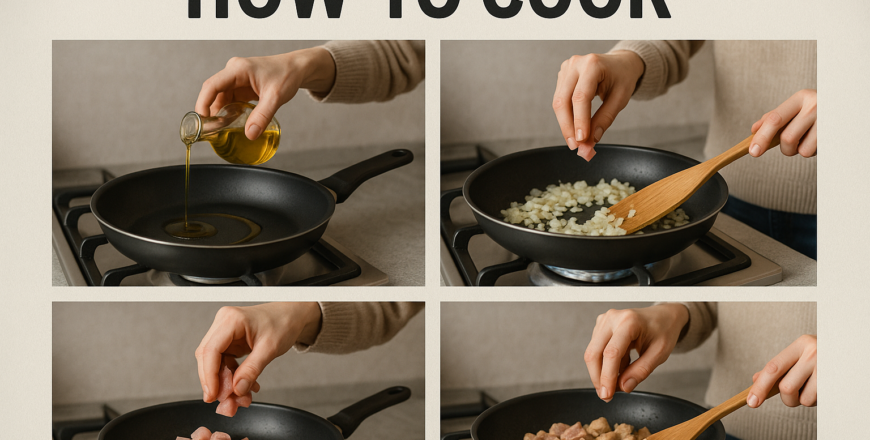
Start by choosing a simple recipe. Read it fully. Gather and prep ingredients (mise en place). Preheat oven or pan. Control heat; don't overcrowd pans. Season and taste as you cook. Cook to doneness, then rest meats. Clean as you go. Keep notes for next time.
How should I season food to make it taste better?
Salt in layers: a little early for penetration, more to finish. Taste often. Add acid (lemon, vinegar) to brighten, fat (butter, oil) to round, herbs/spices for aroma. Bloom spices in oil briefly. Balance salty, sweet, sour, bitter, umami. If oversalted, dilute, add acid, or a starch.
How can I tell when meat and fish are safely cooked?
Use an instant-read thermometer. Safe minimums: poultry 165F/74C; ground meats 160F/71C; whole cuts of beef, pork, lamb 145F/63C plus 3-minute rest; fish 145F/63C or opaque and flaky; eggs until yolks/whites are set; leftovers 165F/74C. Avoid cross-contamination and keep hot foods hot, cold foods cold.
What's the difference between sauteing, roasting, and boiling?
Sauteing: quick, high heat with a little oil; browns food, keeps it crisp-tender. Roasting: dry heat in oven (375-450F); caramelizes exteriors, cooks interiors evenly. Boiling: cooking in vigorously bubbling liquid; best for pasta, potatoes, blanching. Choose method for desired texture, flavor development, and time.
Please, login to leave a review